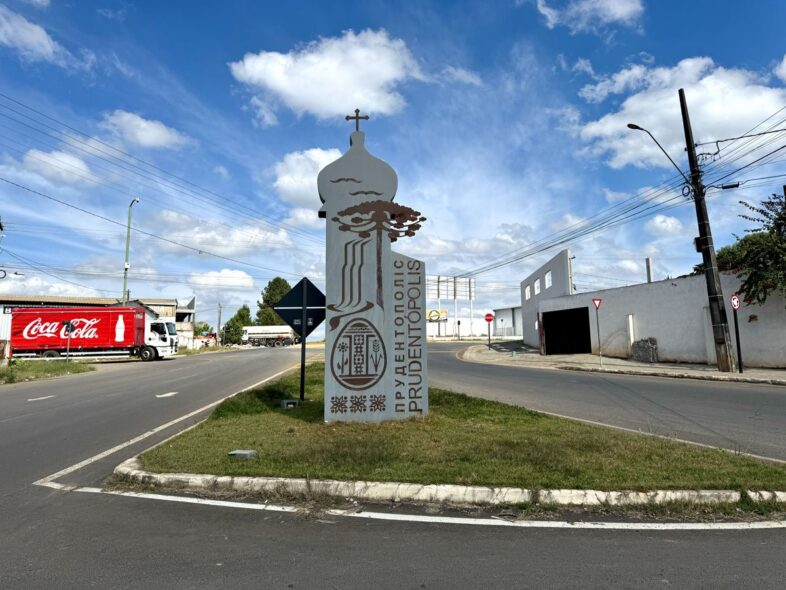
Deep in the heart of southern Brazil, thousands of kilometres away from the sweeping steppes of Eastern Europe, lies an unexpected yet vibrant enclave of Ukrainian identity. Prudentópolis, a small town in Brazil’s Paraná state, is home to one of the largest Ukrainian diasporas on the planet. Here, nearly 70% of the population traces its roots back to Ukraine. Many residents still cherish their heritage, and some even speak fluent Ukrainian — despite never having set foot in the country their families once called home.
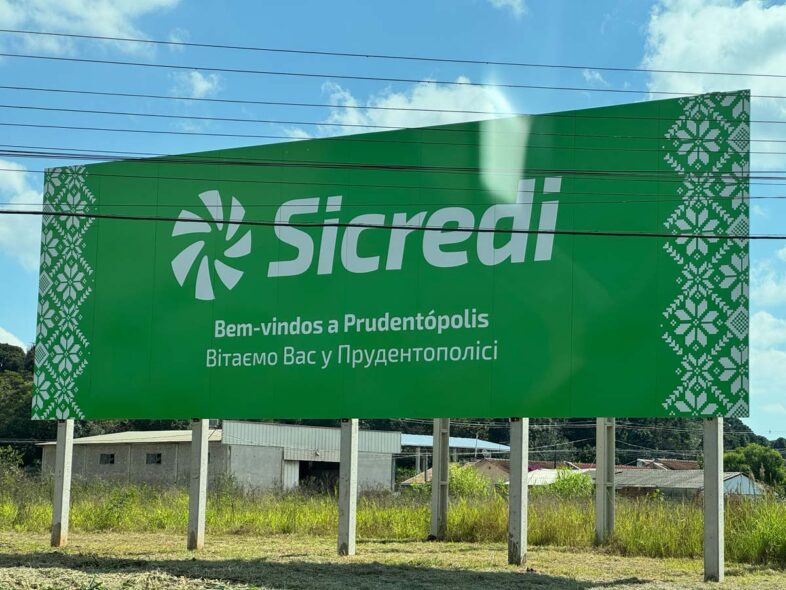
Strolling through the streets of Prudentópolis, the echoes of Ukrainian heritage are impossible to miss. From Rua Lécia Ucrainka, named after the celebrated Ukrainian poetess, to the comforting aromas of varenyky, borscht, and holubtsi wafting from local kitchens and restaurants — these familiar Ukrainian traditions are woven into everyday life. For generations, the Greek Catholic churches here have stood as both the spiritual anchor and cultural heartbeat of the town’s Ukrainian community, nurturing a sense of belonging far from their ancestral homeland.
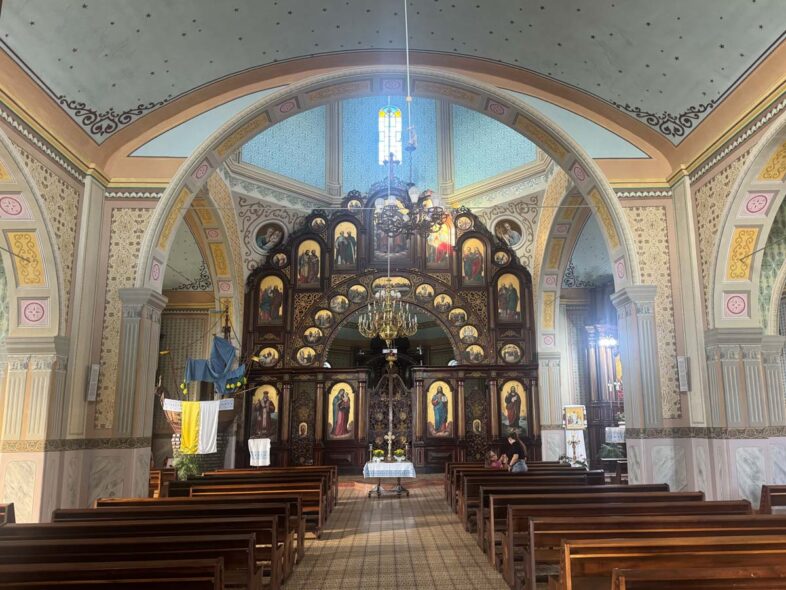
Anderson Prado, a historian at the Federal University of Paraná who specialises in the town’s past, explains that Ukrainian migrants—many hailing from Galicia—began arriving in Prudentópolis in 1896. Just eight years after Brazil abolished slavery in 1888, the country was keen to attract European settlers to help rebuild its agricultural economy. The first wave of around 1,500 Ukrainian families found work in farming and sawmills, Prado says. While the government granted them plots of land, the journey came with a heavy price: it took years—often four—of hard labour to repay the debt for their passage across the ocean.
Immigration came in waves. Between 1907 and 1914, Ukrainians arrived in Brazil to work on railway construction, carving out a new life far from home. The last major influx followed the Second World War, from 1947 to 1951, bringing members of the intelligentsia who deeply enriched the Ukrainian community’s role in Brazilian society. The old idea that most Ukrainians in Brazil still work the land no longer holds true. Today, Ukrainian identity thrives across a broad spectrum of professions and public life. Cultural contributions from Ukrainian-Brazilians include figures like the writer Clarice Lispector, physician Afonso Antoniuk, lawyer Taras Savytsky, and film director Guto Pasko. The community now numbers around 600,000 strong.
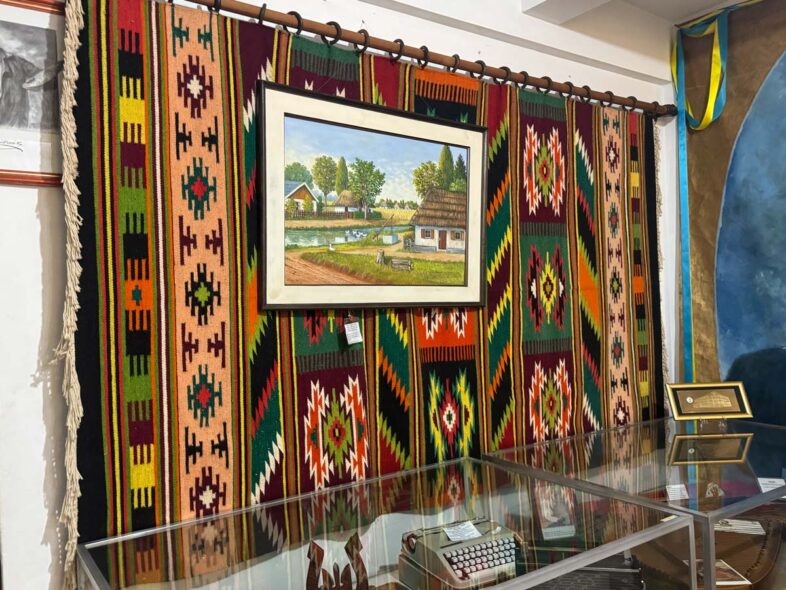
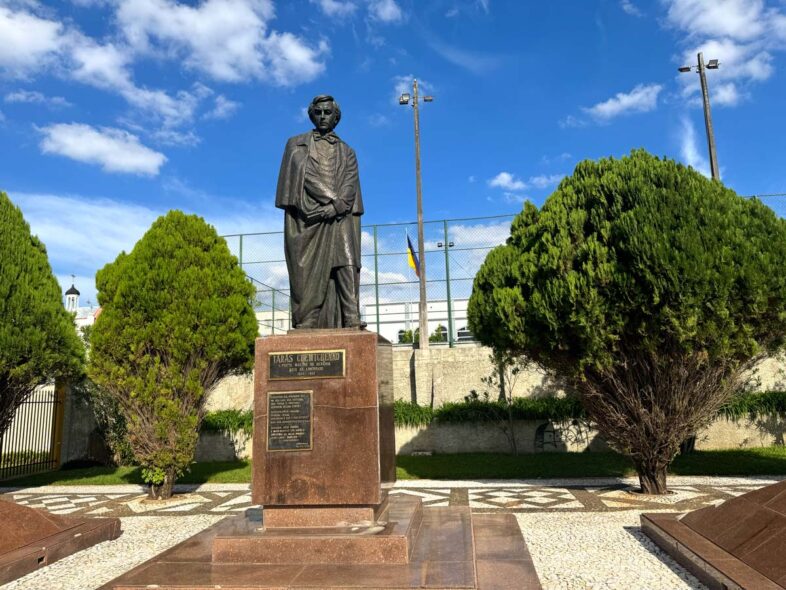
Prudentópolis, often dubbed the “capital of Ukrainian Brazil,” lives up to its name. The town is a vibrant cultural microcosm of Ukraine far from its borders. Officially founded in 1906, the Ukrainian community here was already well established by then. Nearly 75% of its residents are of Ukrainian descent, and the Ukrainian language enjoys official status alongside Portuguese. Stepping into the Ukrainian Museum at the heart of town is like stepping back in time. Outside, a towering monument to Taras Shevchenko stands solemn and proud, watching over the community. Nearby, a park adorned with giant pysanky eggs adds a touch of whimsical folk magic to this lively Ukrainian enclave.
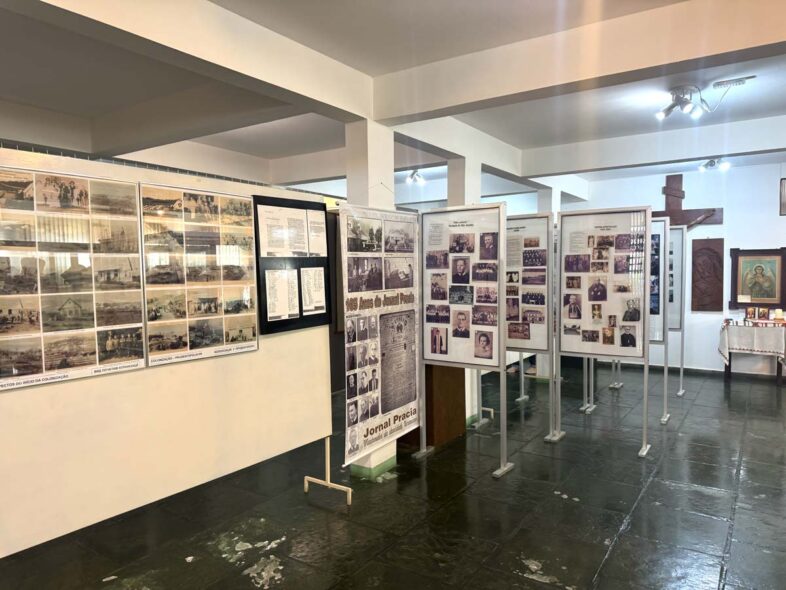
At the museum, visitors find a collection of artefacts and photographs that reveal the story of Ukrainian migration—how people adapted and held onto their culture through the years. Though Russia’s war against Ukraine has raged for more than a decade, and the full-scale invasion since February 2022 is happening thousands of kilometres away, the connection to their homeland remains strong. The local Ukrainian priest notes that prayers for peace are now a regular part of church services. The museum director recalls that even before the pandemic, Prudentópolis hosted a delegation from its sister city, Ternopil. A return visit was planned, but those hopes were postponed first by COVID-19—and then by the invasion.
“Many people here have relatives in Ukraine,” says one local resident. “Everyone’s situation is different. Some have lost touch with their homeland, while others are sending financial support. Whatever’s happening over there, we feel it deeply and painfully.”
This emotional connection comes alive in Pratsia, a bilingual newspaper published in both Ukrainian and Portuguese. True to its roots, the paper blends stories of everyday life for Ukrainian Brazilians with reflections on their history and faith, mixing local news with moments of quiet spirituality.
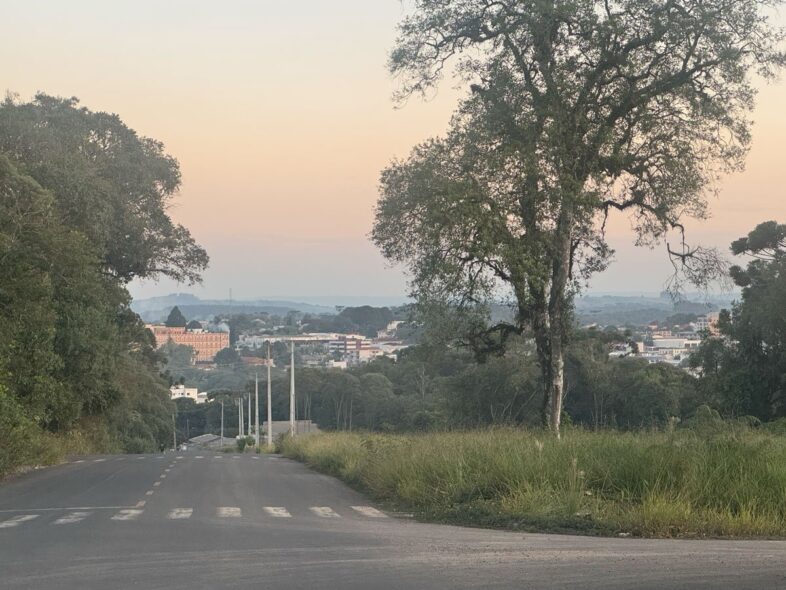
Just beyond Prudentópolis, in the surrounding villages, Orthodox churches quietly punctuate the landscape, blending naturally into the lush scenery and surprising visitors with their cultural presence. The first wooden chapel dates back to 1898, and in 1922, the Ukrainian parish welcomed a pastoral visit from Metropolitan Andrey Sheptytsky. Today, around 100 Ukrainian churches remain active across the municipality. While many tourists come seeking waterfalls and pristine wilderness, they often leave with a newfound appreciation for this living slice of Ukraine nestled deep in Brazilian soil.
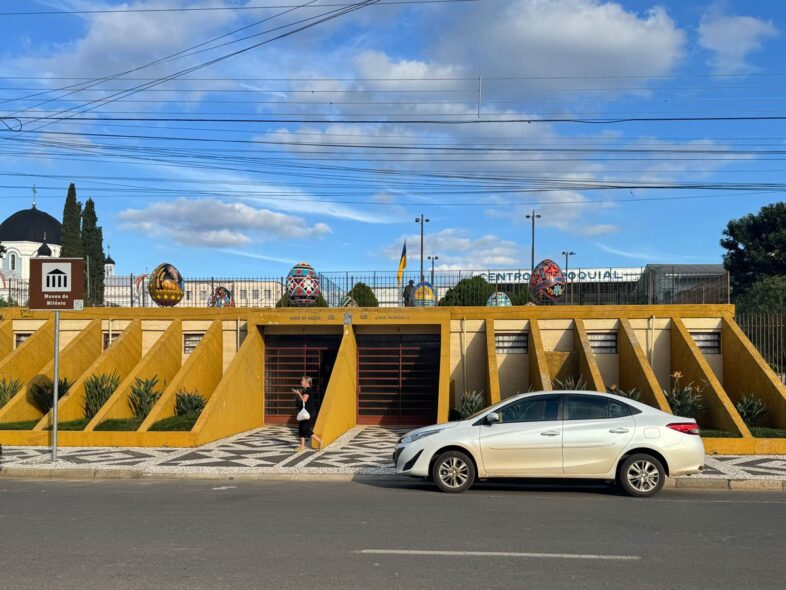
Less than three hours’ drive from Prudentópolis lies Curitiba, the capital of Paraná and known as Brazil’s greenest city. With over two million people, it’s also a key hub for Ukrainian culture in the country. The Ukrainian Memorial, set in a park where capybaras wander freely, is a popular spot for locals and visitors alike. It’s both a cultural exhibit and a quiet place to remember.
At the centre of the memorial stands an old wooden church, carefully rebuilt in the traditional Hutsul style. Nearby, a small shop sells Ukrainian embroidery, books, and wooden crafts. It’s run by a Ukrainian-Brazilian family who, even though they’ve never been to Ukraine, still speak the language. Their family comes from the Ternopil region, just like many in Prudentópolis. They often share stories about how their grandparents had to pretend to be Belgians or Poles during tough political times to stay safe.
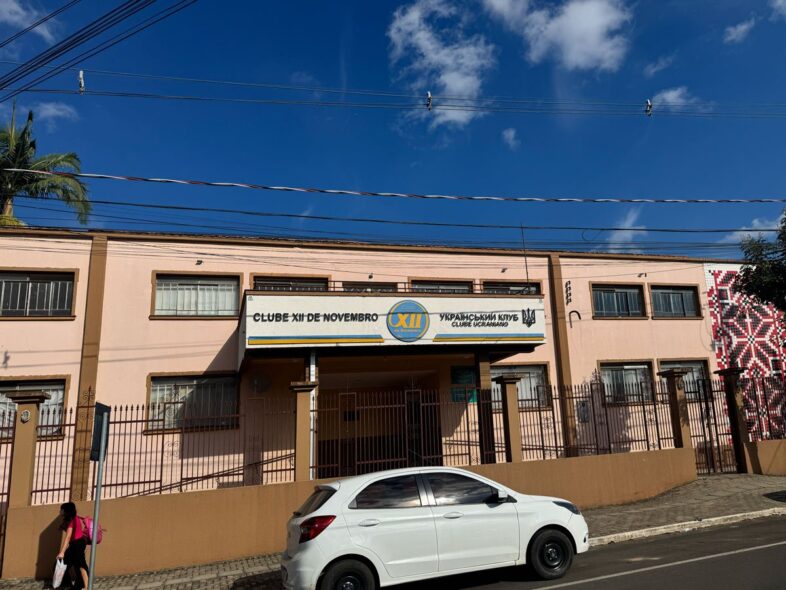
“Every time we hear someone speak Ukrainian, it lifts our spirits,” said one of the shopkeepers. “It’s not something you hear every day.”
Decades of distance from Ukraine have given Ukrainian Brazilians their own unique accent, but there’s still a clear trace of Western Ukrainian in their speech. Conversations here often spark quickly, charged with emotion—shared roots and a deep longing for a far-off homeland create an instant connection. Visitors to the shop often join in, reminiscing about how their grandmothers or great-grandmothers once made the journey from Ukraine, too.
There’s something almost surreal about these moments—sunlight filtering through the trees, children playing nearby, families laughing together. It’s a scene full of warmth and life, sharply at odds with the brutal war unfolding more than 11,000 kilometres away. But the bond with Ukraine remains strong. It lives on—in the language, the food, the songs, and the memories.
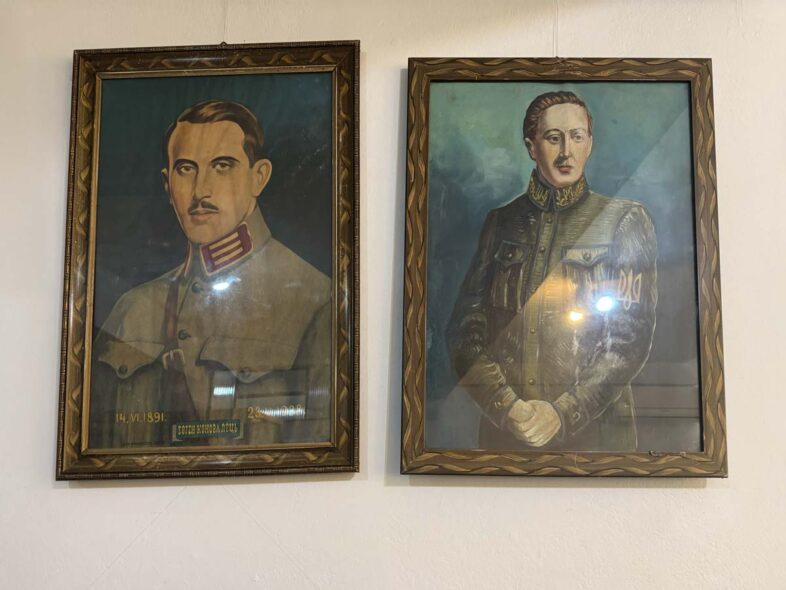
Some members of the local Ukrainian community remember the Ukrainian Insurgent Army songs their grandparents used to sing—a powerful reminder of a different, yet closely linked, chapter in their history. These memories go beyond sentimental echoes from the past; they carry real political weight.
In a world where diaspora identities often fade, the Ukrainians of Paraná have preserved theirs while seamlessly blending it into Brazilian life.
While Brazil maintains a complicated, often painfully neutral—and sometimes overly cautious—stance on Russia’s aggression against Ukraine, the Ukrainian Brazilian community stands out as a quiet but unwavering voice of solidarity. Through church services, charity efforts, language lessons, and local publications, they keep the spirit of their homeland alive at a time when Ukraine itself is fighting to defend its sovereignty.
Visiting Prudentópolis or Curitiba reveals something rare: Ukraine not as a fading relic, but as a lively, living part of everyday life in Brazil today. Here, among the hills and valleys of Paraná, Ukraine is very much alive. The community speaks and sings in Ukrainian, cooks traditional dishes, tends to their churches, and continues to thrive.